Lawn Mowing in Anerley

Lawn mowing in Anerley should leave your grass neat, even and ready for everyday use, whether you need regular upkeep or a one-off cut to restore order. Our service focuses on straightforward lawn care that keeps edges controlled, growth manageable and the finish consistent across the whole area. For many gardens, that means a tidy, practical result rather than an overcomplicated process, with attention given to the shape of the lawn, the condition of the grass and the way the garden is used.
We work across lawn mowing as the core service, with related garden maintenance available where it supports a better finish. That can include trimming the edges, clearing away cuttings where needed and keeping the mowing pattern suitable for the lawn’s condition. If your grass has grown unevenly, has soft patches or needs more careful handling around borders and obstacles, the approach can be adjusted so the work is tidy without being heavy-handed. Our services overview gives a broader view of the garden work we provide.
To request a quotation, send a few clear details about the lawn and the level of help you need. It is useful to mention access, the approximate size of the area and whether you want the cuttings removed or left in place. If the lawn is part of a larger garden, note any features that need careful working around. You can also contact us about your mowing requirement when you are ready to discuss the job.
Regular mowing and seasonal grass care
Regular mowing is often the simplest way to keep a lawn looking controlled and usable. A sensible schedule avoids the shock of cutting too much growth at once and helps the surface stay more even over time. In practical terms, that means the cut can be matched to the season, the rate of growth and the condition of the turf, rather than treating every lawn as if it needs exactly the same finish. Well-timed mowing is usually better than letting the grass grow long and then cutting it back aggressively.
Seasonal changes matter because grass behaves differently through the year. In stronger growing periods, lawns may need more frequent attention to stop the surface becoming patchy or untidy. In drier or cooler periods, the emphasis may shift to a lighter cut that avoids stressing the grass. Our work can be planned around those differences so the lawn is maintained in a way that respects its condition. For customers comparing options, pricing and quotes can help frame the request clearly.
Short, well-judged mowing is especially useful when you want the garden to remain accessible rather than left to recover after a heavy cut. A careful finish can also make it easier to keep on top of weeds, mossy patches and edges that otherwise look neglected. Consistent lawn care is not about cutting for the sake of it; it is about keeping the grass at a sensible height so the whole garden feels maintained.
Edge finishing, borders and tidy presentation

Mowing is only part of the job if the edges are left rough. Borders, fences, paths and lawn outlines all affect how tidy the final result looks, so the work can include careful edging where appropriate. This is especially helpful where the lawn meets paving, beds or narrow strips that need a steadier hand than the open grass area itself. A proper finish around the perimeter can make the whole garden appear more intentional and easier to maintain afterwards.
Some lawns are interrupted by trees, beds, ornaments or changes in level, and these details call for slower work rather than a quick pass. When that happens, the mowing pattern can be adapted to avoid scalping the grass or catching awkward corners. If the lawn sits beside a decked area, it may also be useful to consider related outdoor maintenance alongside mowing. Decking services may be relevant where the surrounding space needs refreshing as part of a wider garden project.
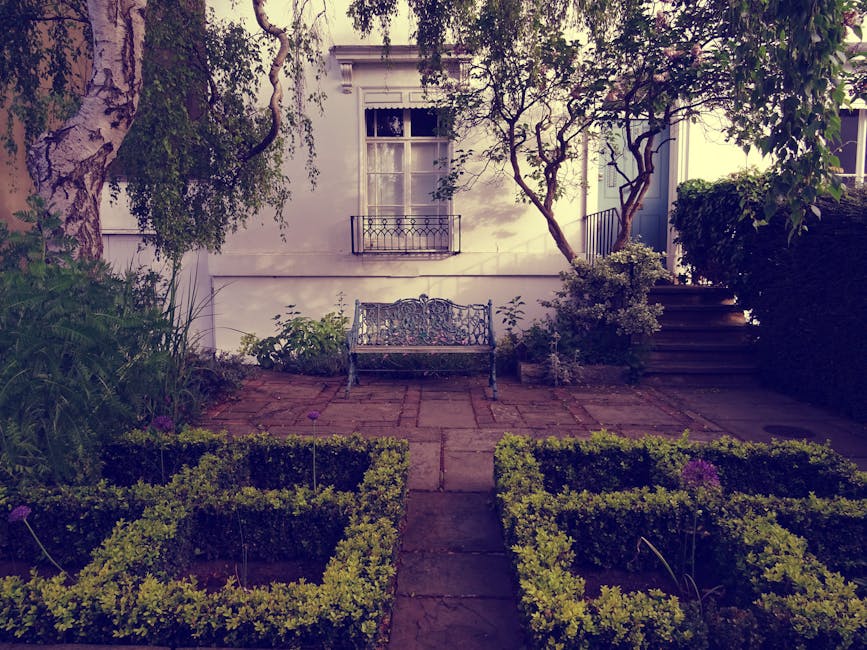
A neat lawn is often judged by the edges first, because that is where untidiness shows most quickly. We therefore treat line, boundary and transition points as part of the finished appearance, not as an afterthought. That approach is useful for front gardens, rear lawns and shared outdoor spaces where appearance matters just as much as cut height.
Lawn mowing alongside garden maintenance
Some customers need mowing as a standalone task, while others want it folded into a broader maintenance visit. In those cases, the lawn can be kept under control alongside other routine garden work so the space does not drift out of shape between visits. The benefit of combining tasks is that the garden can be addressed in a more joined-up way, with the grass, edges and surrounding growth handled in a single plan rather than piecemeal. That often produces a more even result.
Where suitable, mowing can sit alongside trimming, light clearance and general garden upkeep. The key is to match the amount of work to the state of the garden rather than making the service more complicated than it needs to be. Garden maintenance is the natural place to look if you want support that goes beyond grass cutting and includes a wider approach to keeping the outside space presentable.
Good maintenance is often about rhythm rather than dramatic intervention. A lawn that is cut at sensible intervals usually needs less corrective work later, and the garden tends to feel easier to manage overall. We keep the service practical, so you can focus on having a usable lawn without having to overhaul the whole garden every time the grass grows.
What affects the work and the quotation
The quotation for mowing usually depends on the size of the lawn, how accessible it is and what condition the grass is in before the work begins. A flat open lawn is generally simpler than a space broken up by obstacles, narrow access points or uneven growth. If the grass is very long, wet, or difficult to reach, that can affect the time and approach needed. Being clear about these practical factors helps set a realistic scope from the outset.
If you are gathering details for a quote, it helps to think about three simple points: the area to be cut, the finish you want and any obstacles or extras that need attention. A clear description reduces guesswork and makes it easier to respond sensibly. Useful information might include whether the garden has side access, whether clippings should be removed and whether the lawn forms part of a larger tidy-up. You can then read about us if you want a little more context about the business before making contact.
Because every lawn behaves differently, the safest approach is to describe the garden as it is, not as you hope it might already be after a cut. That is particularly true where grass has become long enough to hide dips, loose debris or patches of uneven growth. A straightforward description leads to a more accurate estimate and a better match between the work and the result.
Supporting services for a cleaner outdoor finish
Although mowing is the main focus, some gardens benefit from additional work that improves the overall appearance after the grass is cut. Clearing overgrowth, reducing awkward sections and removing problem material can make the lawn easier to maintain in future. This does not mean every job needs extra work; it means the service can be shaped to fit the state of the garden rather than stopping at a basic pass over the grass. The right combination depends on what is already there.
Where larger amounts of cut material, weeds or bulky growth need attention, related clearance work may be more suitable before or alongside mowing. Garden clearance is available for gardens that need a more substantial reset, while mowing then provides the finishing stage that brings the space back into a usable condition. That combination is useful when a lawn has been left untouched for some time and needs a clear, manageable result.
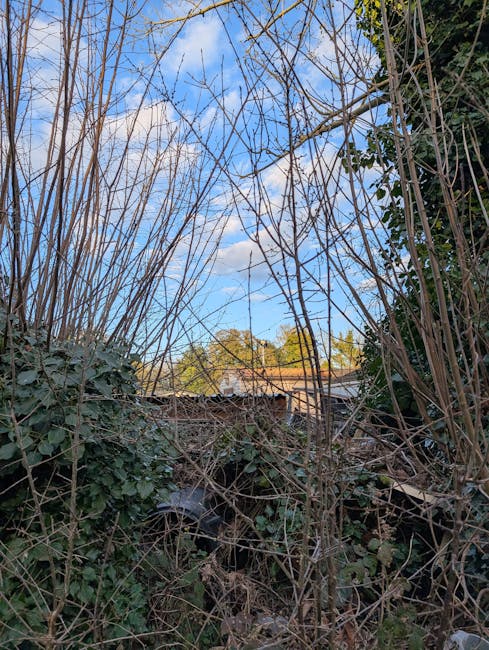
In some gardens, trimming surrounding growth is also important because grass alone does not determine how neat the space looks. Overhanging hedges, boundary growth or obstructive branches can affect light, access and the way the lawn is maintained. Keeping the whole scene in proportion helps the lawn remain the focal point rather than a part of a garden that is slowly being swallowed by surrounding growth.
Optional related work when the lawn needs more than cutting
There are times when the grass is only one part of a wider outdoor task. A lawn may be surrounded by growth that has to be reduced first, or it may sit within a garden that is being gradually brought back into shape. In those situations, mowing can still be the finishing step, but it works best after the surrounding areas have been assessed properly. That keeps the result cleaner and helps avoid the common problem of a lawn looking neat while everything around it still feels untamed.
If shrubs, branches or taller growth are intruding on the lawn area, a trimming or reduction step may help before the final cut. Hedge trimming is relevant where boundary planting or formal hedges are affecting the neatness of the garden. By addressing the structure around the lawn, the mowing itself can be more effective and the garden can feel balanced rather than cramped.
A related point is that mowing is not always a substitute for landscape work. Some gardens need shaping, reworking or redefinition before the lawn can be maintained properly. That is why we treat mowing as part of a practical garden plan, not as an isolated action with no relation to the rest of the space. In the right circumstances, it is the detail that ties everything together.
About Anerley

Anerley is a district in the London Borough of Bromley, in south-east London, and its identity is closely tied to the expansion of suburban rail travel in the nineteenth century. The name is commonly associated with the former Anerley Hill area and the development that followed the arrival of the London, Brighton and South Coast Railway. Anerley station remains a useful local reference point, while nearby Crystal Palace and Penge help situate the district within a wider pattern of residential streets, transport corridors and historic suburban growth. The area contains a mix of Victorian and later housing, with many streets shaped by the period when the district developed beyond its earlier rural setting. Local landmarks include South Norwood Country Park to the north-west and Crystal Palace Park nearby, both of which contribute to the wider green landscape around the district. Anerley’s position on the edge of several well-known south London neighbourhoods gives it a varied character, and the street pattern reflects that layered history. The built environment is largely residential, but the presence of transport links and nearby parks has long influenced how people move through and experience the area. As with many parts of outer London, the district’s story is one of change over time: older routes, rail-era development and later housing all sit together, producing a place that is recognisably suburban while still connected to the broader history of the capital.
Keeping the finish reliable from visit to visit
Reliable lawn mowing is as much about consistency as it is about the individual cut. A lawn that is handled in a steady, sensible way tends to stay easier to manage, and the work between visits is less likely to build into something more difficult. That matters for gardens that are used often, where the grass needs to look presentable without becoming a burden to maintain. A dependable mowing routine can prevent the lawn from swinging between overgrown and overcut.
When planning the work, it helps to think about how the lawn is used. A front lawn that acts as part of the property’s presentation may need a different finish from a rear garden that is mainly for relaxation or children’s play. The same is true for shaded grass, damp patches or lawns that sit around immovable features. Landscape gardening may be worth considering where the lawn forms part of a wider change to the garden layout or surface balance.
We aim for a result that looks tidy without creating unnecessary disruption. That means mowing in a way that supports the grass rather than simply shortening it, with attention to the details that shape the final look. The right finish should be practical, visually clean and suited to the garden rather than forced into a single standard.
Lawn care choices for different garden layouts

Different gardens benefit from different mowing choices. A simple rectangular lawn can often be handled efficiently, while a more complex layout with paths, borders and steps may need extra care around the edges. Lawns that wrap around planting beds or join other outdoor surfaces can also require a slower approach to keep the result even. The task is not just to cut the grass, but to make sure the finish suits the layout of the space.
Where a garden contains trees or taller growth that affects light and access, related work may help the lawn perform better over time. Tree lopping and removal is a separate type of service, but it can matter when overhanging branches or heavy shading are affecting the area that needs mowing. The point is not to overstate the connection; it is simply that lawn care sometimes sits within a wider pattern of garden management.
For customers who want a straightforward way forward, the next step is simple: describe the lawn, say what finish you want and ask for a quote. If you would like a more general overview first, the services overview can be used as a starting point, but the most useful enquiry is usually the one that explains the actual garden. Request a quotation when ready, and we can take it from there.