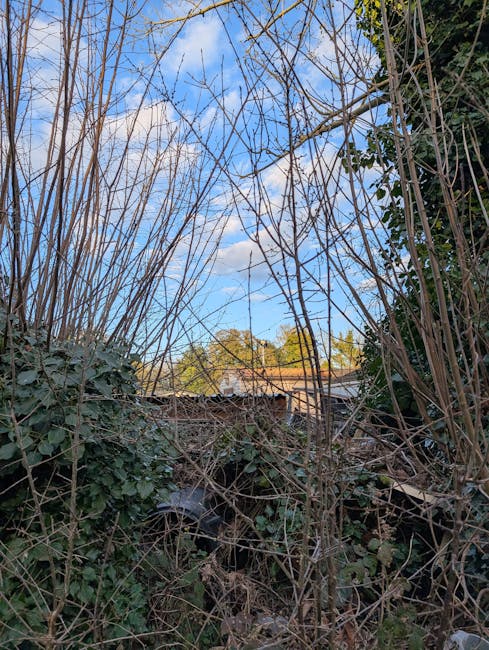
SE20 garden clearance gardeners for Anerley estates
If you live on an estate in Anerley and the garden has quietly got away from you, you are not alone. One windy month, a few missed weekends, and suddenly there are brambles, self-seeded saplings, old pots, wet leaves, and that slightly apologetic-looking lawn all competing for space. SE20 garden clearance gardeners for Anerley estates are there to help you reset the outdoor space properly, without turning a simple tidy-up into a stressful weekend project.
This guide explains what garden clearance involves, how the work is usually carried out, what to expect on estates in and around SE20, and how to choose the right approach for your property. Whether you are a resident, a block manager, a landlord, or someone just trying to get a neglected patch back under control, the aim here is simple: make the next step clearer. And a bit less daunting, truth be told.
Anerley estates can present their own little quirks: shared access routes, bin store constraints, limited parking, communal boundaries, and the occasional "whose hedge is this anyway?" moment. So the best clearance work is not just about cutting things back. It is about planning, tidying, removing waste responsibly, and leaving the site better than you found it.
Table of Contents
- Why SE20 garden clearance gardeners for Anerley estates Matters
- How SE20 garden clearance gardeners for Anerley estates Works
- Key Benefits and Practical Advantages
- Who This Is For and When It Makes Sense
- Step-by-Step Guidance
- Expert Tips for Better Results
- Common Mistakes to Avoid
- Tools, Resources and Recommendations
- Law, Compliance, Standards, or Best Practice
- Options, Methods, or Comparison Table
- Case Study or Real-World Example
- Practical Checklist
- Conclusion
- Frequently Asked Questions
Why SE20 garden clearance gardeners for Anerley estates Matters
Garden clearance is more than a visual refresh. On estates, it often affects safety, access, neighbour relations, pest control, and the long-term condition of the grounds. A tangled corner behind a block may look like a minor mess from a distance, but in practical terms it can hide broken glass, slippery debris, trip hazards, damp patches, or even blocked drainage. That is the sort of thing that tends to create headaches later.
For Anerley estates specifically, the value of a proper clearance is often tied to how the outdoor space is used. Shared lawns, shrub borders, rear access paths, drying areas, and boundary strips all need slightly different handling. A good clearance team will see the difference straight away. They will not treat every area like a private garden with no neighbours to consider. That matters.
There is also the matter of first impressions. Let's face it, a well-kept communal space changes how a whole estate feels. It can make residents more inclined to respect the space, which in turn helps keep it tidy for longer. That is not magic; it is just how people behave when an area looks cared for.
If you are planning a larger upkeep schedule, garden clearance often sits alongside broader outdoor maintenance. You may find it helpful to explore ongoing garden maintenance options if your site needs regular attention rather than a one-off overhaul. For more involved work, some properties also benefit from specialist pruning and corrective cut-backs, especially where shrubs and self-set growth are pushing into walkways.
How SE20 garden clearance gardeners for Anerley estates Works
Most professional clearance jobs follow a similar pattern, although the scale changes depending on the estate and the condition of the site. The work usually starts with a look around: what needs cutting, what needs removing, what needs bagging, and what should stay in place. In our experience, that first walk-through matters more than people expect. It is where the awkward bits show themselves.
Clearance can include a mix of tasks: removing overgrown weeds, cutting back brambles, trimming hedges, lifting leaf litter, clearing dead plant material, and taking away old pots, broken supports, or garden rubbish where agreed. On estates, there may also be shared borders, communal shrub beds, and access routes that need careful attention so the area stays usable throughout the job.
The practical side is straightforward, but the sequencing helps. Clearing loose waste first often makes it easier to see the real condition of the garden. Once the clutter is gone, the team can assess what can be rescued, what needs further pruning, and what might be better replanted later. A rushed cut without that assessment can leave the site looking blunt rather than tidy.
Good gardeners also think about waste handling as part of the service, not as an afterthought. Green waste, woody material, soil, and mixed garden debris may need different handling depending on how the site is organised. If the estate has limited access or shared collection points, that planning becomes especially useful. Nobody wants a pile of bags sitting near the bin store for longer than necessary. Nobody.
Key Benefits and Practical Advantages
A well-managed clearance gives you more than a neat finish. It can improve how the whole site functions, and that is the part people sometimes miss when they compare services only on appearance.
- Safer movement: removing overgrowth from paths, corners, and entrances helps reduce slips and trips.
- Better access: residents, cleaners, contractors, and maintenance teams can move around more easily.
- Improved appearance: a clean, open garden feels brighter and more looked after.
- Less pressure on plants you want to keep: clearing surrounding clutter gives shrubs and trees space to recover.
- Lower pest attraction: piles of debris, damp leaves, and unmanaged waste can invite problems.
- More efficient future maintenance: once a garden is reset, regular upkeep becomes easier and usually less expensive over time.
There is a practical rhythm to this. First you clear, then you stabilise, then you maintain. If you skip the first step, the later work becomes harder and less satisfying. Simple, really, but easy to ignore when everything looks messy at once.
Another benefit is resident confidence. On shared estates, people notice when grounds are being looked after. It can reduce complaints, improve cooperation, and make later maintenance decisions easier to explain. That human side counts more than some spreadsheets suggest.
Who This Is For and When It Makes Sense
SE20 garden clearance is relevant to a wide group of people. It is not just for homeowners with an overgrown back garden, though they are certainly part of the picture. In Anerley estates, the usual clients include property managers, housing teams, landlords, resident groups, caretakers, and individual flat owners with access to shared or semi-shared outdoor areas.
You might need this service if:
- a garden has been left untouched for months or longer
- tenants have moved out and the outside space needs resetting
- shared estate grounds need a one-off tidy before regular care resumes
- brambles, nettles, ivy, or weeds are taking over borders and paths
- the site has accumulated garden waste, broken items, or dumped material
- you need to prepare for replanting, fencing work, or repairs
It is also sensible before seasonal changes. A late-winter or early-spring clearance can make a noticeable difference once growth starts again. Likewise, an end-of-summer cut-back helps stop the site entering autumn already half-closed in by dead growth and fallen leaves. That feels obvious once said, but lots of gardens miss the window.
If your property needs coordinated repairs or building work, it can help to align the clearance with other outdoor tasks. For example, if you are dealing with a side passage, boundary issue, or front-of-house tidy-up at the same time, broader property clearance support may be a better fit than a simple garden visit.
Step-by-Step Guidance
Here is a practical way to think about a garden clearance project on an estate. The best results come when the work is planned in stages rather than handled as a single "just cut everything back" job.
- Assess the space. Identify what is overgrown, what is damaged, and what needs to be preserved.
- Decide the scope. Clarify whether the job is a tidy-up, a full clearance, or a clearance plus pruning and waste removal.
- Check access and logistics. Think about parking, entry points, bin locations, and whether neighbours need notice.
- Protect keepable plants and surfaces. Good gardeners work around anything worth saving instead of hacking through it.
- Remove loose waste first. This often reveals hidden issues such as rot, dumped rubbish, or broken edging.
- Cut back and shape. Overgrowth is reduced to a manageable level while retaining healthy growth where possible.
- Collect and remove debris. Waste should be loaded efficiently so the site is not left half-finished.
- Do a final walk-through. Check that paths are clear, edges are neat, and no sharp or hazardous material remains.
If a garden is badly overgrown, a phased approach may be more sensible. The first visit may focus on access and safety, while the second visit completes pruning and finishing work. That is often the calmer, better choice. Not glamorous, maybe, but effective.
Expert Tips for Better Results
Good clearance work is partly about tools and partly about judgement. The sharpest blade in the world will not help much if the cut comes at the wrong time or the wrong place.
Choose the right level of clearance
There is a difference between a tidy-up, a heavy clearance, and a restorative clearance. If the wording is vague, the result can be disappointing. Be specific about whether you want all waste removed, shrubs reshaped, borders opened up, or only certain areas dealt with.
Keep one eye on what should remain
On estates, it is easy to lose track of plants that actually add value: mature shrubs, boundary screening, bulbs, or wildlife-friendly planting. A thoughtful gardener will distinguish between invasive growth and useful greenery. That distinction is one of the clearest signs of experience.
Plan around weather and ground conditions
Wet soil can be messy to work on and may mark lawns or compact planted areas. Dry weather is often easier for clearance, although a very dry spell can make debris handling dusty and less pleasant. Early morning work can be calmer too, especially where shared access is busy later in the day.
Ask how waste will be handled
It is worth asking whether green waste will be separated, bagged, chipped, or loaded for disposal as part of the service. On some sites, the disposal plan matters almost as much as the cutting itself. If waste is left in the wrong place, the job feels unfinished no matter how neat the borders look.
Think past the first visit
Clearance solves the immediate problem, but estate gardens usually need a follow-up rhythm. A one-off dramatic tidy can be useful, yet it works best when followed by lighter maintenance. Otherwise the same weeds and brambles return, slightly smug, by the next season.
Common Mistakes to Avoid
To be fair, most mistakes are understandable. People either underestimate the scale of the work or try to save time by skipping important steps. The problem is that garden clearance tends to punish shortcuts.
- Over-cutting healthy growth: removing too much can damage hedging, privacy screening, or flowering shrubs.
- Ignoring access issues: if a team cannot get waste out efficiently, the job slows down and costs can rise.
- Forgetting about neighbours: on estates, noise, cuttings, and foot traffic should be handled considerately.
- Mixing rubbish with green waste: this can complicate disposal and reduce recycling options.
- Leaving roots or regrowth points untouched: some weeds and brambles rebound quickly if they are only superficially cut.
- Trying to do too much in one pass: a very large overgrown space often needs a staged plan, not an all-or-nothing blitz.
One small, overlooked issue is hidden damage. Old fence panels, broken paving, loose edging, and rusted fixings can sit under the growth like little traps waiting to be found. Better to expect a few surprises. They always seem to be there.
Tools, Resources and Recommendations
Professional gardeners use the right mix of cutting, clearing, collecting, and finishing tools depending on the site. The exact kit varies, but the principle stays the same: use tools that make the job efficient without damaging what should stay in place.
| Tool / Resource | Typical Use | Why It Helps on Anerley Estate Sites |
|---|---|---|
| Hedge trimmers and secateurs | Shaping shrubs and cutting back manageable growth | Useful where communal borders need clean lines without overcutting |
| Brush cutters or strimmers | Managing dense weeds and rough overgrowth | Helpful on neglected edges, rear strips, and awkward corners |
| Rakes, forks, and loading tools | Collecting leaves, clippings, and loose debris | Speeds up clearing where access paths must stay open |
| Protective equipment | Gloves, eye protection, sturdy footwear, and suitable clothing | Important where there may be thorns, hidden waste, or uneven ground |
| Waste sacks, bulk bags, or van loading | Removing green waste and mixed debris | Helps keep communal areas tidy during the work |
If you are comparing services, it can also be helpful to check whether the team offers tailored support for more than one task. Some properties need hedge cutting, some need strip-back clearance, and some need both. A useful next step is often to look at hedge trimming services if your overgrowth is mostly boundary-related, or scheduled grounds maintenance if the estate needs regular ongoing care.
For residents or managers who want a broader picture of service coverage, an overview of local garden and grounds work can be a practical place to understand the different options before booking. And if your concern is specifically about time away from the property or access coordination, checking a dedicated service FAQ can save a phone call or two.
Law, Compliance, Standards, or Best Practice
Garden clearance is not usually complicated from a legal point of view, but there are still sensible standards to follow. On estates, the main concerns are safe working, responsible waste handling, consideration for neighbours, and respect for shared areas. A professional team should be able to explain how they approach all four.
In the UK, garden and green waste should be handled responsibly, and mixed waste should not be casually dumped or left where it creates a nuisance. If a site contains unusual material such as soil contaminated by building work, treated timber, electrical items, or signs of fly-tipping, that should be discussed before work begins. A careful contractor will pause and assess rather than pretending everything is fine. That pause matters.
Best practice on estates also includes communication. Residents may need notice if access is restricted, if cuttings may be visible for a short time, or if the team is working near windows and entrances. For communal areas, that kind of courtesy reduces friction. Little things, but they add up.
Safety is another straightforward expectation. Crews should use suitable equipment, work with awareness of trip hazards and hidden debris, and avoid blocking essential access routes for longer than necessary. Where tasks involve ladders, power tools, or heavy lifting, you want a team that behaves calmly and professionally rather than rushing for the sake of speed.
If the site has a resident management company, housing association process, or block rules, those should be checked before work starts. It is easier to plan around them than to explain later why the skip or vehicle was in exactly the wrong place. Been there, seen that.
Options, Methods, or Comparison Table
Not every estate needs the same kind of clearance. Sometimes a light reset is enough. Sometimes the garden needs a full tidy, waste removal, and pruning. Choosing the right method avoids paying for more than you need while still solving the real problem.
| Method | Best For | Pros | Limitations |
|---|---|---|---|
| Light tidy clearance | Seasonal leaf build-up, minor weed growth, light mess | Quick, lower disruption, good for regular upkeep | Not suitable for heavily neglected areas |
| Heavy garden clearance | Dense overgrowth, brambles, dumped debris, blocked borders | Restores access and reveals the real condition of the site | Usually takes longer and may need more waste removal |
| Clearance plus pruning | Sites with shrubs, hedges, and overextended planting | Creates a neater long-term finish | Needs more judgement to avoid overcutting |
| Clearance plus maintenance plan | Estates that want ongoing grounds care | Prevents the same problems returning quickly | Requires regular scheduling and coordination |
The right choice often depends on how the site is used. A low-traffic corner with self-set growth may need one strong intervention and then occasional checks. A busy communal lawn, by contrast, usually benefits from steady maintenance once the clearance is done. Different sites, different rhythms.
Case Study or Real-World Example
Picture a typical estate courtyard in Anerley after a wet season. The rear border has become crowded with brambles, dead stems, old plant supports, and several bags of forgotten garden waste near the wall. A narrow path runs alongside it, but nobody wants to brush past the growth because the thorns are doing that annoying snag-and-pull thing on sleeves and bags.
The first job is not to start hacking blindly. It is to open up the access, remove loose debris, and identify what is actually growing versus what has simply accumulated. Once the waste is cleared, the team can see a couple of shrubs worth keeping, one patch that needs a harder cutback, and a section where the edging stones have shifted. That sort of discovery is common. The visible mess is only part of the story.
After clearance, the path feels wider, the light comes back into the space, and the area no longer looks like it is hiding something. Residents can use the route again without hesitation. The site still needs follow-up care, of course, but the worst of the work is done. That is often the moment people say, "Right, now we can breathe a bit."
This is where a planned follow-up with regular garden care or a broader grounds maintenance schedule can stop the same problem from creeping back in. It is far easier to keep a cleared estate under control than to rescue a heavily overgrown one every year.
Practical Checklist
Use this checklist before booking or starting work. It keeps the job focused and helps avoid those awkward "oh, we should have mentioned that" moments.
- Identify the exact areas to be cleared.
- Confirm whether the job is private, communal, or mixed-use.
- List any plants, shrubs, or features that should be preserved.
- Check access routes for tools, waste removal, and vehicles.
- Decide whether waste disposal is included.
- Flag any dumped rubbish, broken fencing, or hidden hazards.
- Tell residents or neighbours if access may be briefly affected.
- Ask whether the work includes pruning, not just cutting back.
- Set expectations for the finish: tidy, reset, or fully restored.
- Arrange follow-up maintenance if the site tends to regrow quickly.
Quick summary: the best garden clearance on Anerley estates is planned, careful, and waste-aware. It should make the site safer, easier to manage, and more pleasant to live around, not just look briefly neat.
Conclusion
SE20 garden clearance gardeners for Anerley estates are most useful when the job is treated as a proper reset rather than a rushed tidy. On shared or estate-managed sites, that means balancing access, safety, plant health, waste handling, and the everyday realities of residents moving through the space.
If you choose the right scope, ask the right questions, and plan for what comes after the clearance, the results can be genuinely lasting. The garden feels open again. The paths make sense again. And the whole place just settles down a bit.
If you are dealing with an overgrown estate garden in Anerley, the sensible next move is to get a clear assessment and compare the level of work you actually need. Get a free quote today and see how much you can save.
Sometimes a garden only needs a strong, practical hand and a bit of local know-how. That is often enough to turn a cluttered outdoor space back into somewhere people are glad to walk through.
Frequently Asked Questions
What does garden clearance include on an estate in SE20?
It usually includes removing overgrowth, cutting back weeds and brambles, clearing dead vegetation, collecting garden waste, and tidying communal or shared outdoor areas. Depending on the site, it may also involve pruning and minor reshaping.
Is garden clearance different from garden maintenance?
Yes. Clearance is normally the bigger reset job, aimed at neglected or overgrown spaces. Maintenance is the ongoing care that keeps the garden from getting back into that state. They often work best together.
How do I know if my estate needs a full clearance or just a tidy-up?
If paths are blocked, weeds are deep, brambles are spreading, or rubbish has built up, you likely need a full clearance. If it is mainly leaves, light weeds, or seasonal growth, a tidy-up may be enough. A site visit is usually the clearest way to judge.
Can SE20 garden clearance gardeners work on shared communal areas?
Yes, provided access and permissions are agreed in advance. Communal spaces need a little more care with scheduling, resident communication, and waste placement, but they are very common jobs for estate work.
What happens to the waste after clearance?
That depends on the service agreement. Green waste is often separated from mixed debris, then removed for proper disposal or recycling where possible. It is sensible to ask this before the work begins so there are no surprises.
Will clearance damage plants I want to keep?
A careful gardener should avoid that. Good clearance is selective, not indiscriminate. If you want certain shrubs, bulbs, or boundary plants preserved, point them out clearly before work starts.
How long does a garden clearance take?
It depends on size, access, and how overgrown the site is. A small tidy may be quick, while a neglected estate border or rear access strip can take much longer. The condition of the waste matters too, especially if it is mixed or heavy.
Is it worth combining clearance with hedge cutting or pruning?
Often, yes. If hedges and shrubs are part of the overgrowth, combining the tasks can save time and create a cleaner finish. It also means the site is less likely to look half-finished.
Do estate garden clearances need special access arrangements?
Often they do. Shared entrances, resident parking, locked gates, bin store access, and narrow service routes can all affect how the job is planned. Good communication makes the work smoother for everyone.
What should I ask before booking a clearance team?
Ask what is included, whether waste removal is part of the quote, how they handle access, whether they will prune as well as cut back, and how they approach communal areas. Those questions usually reveal whether the service is a good fit.
Can a badly overgrown garden be restored in one visit?
Sometimes, yes, but not always. Very dense or neglected spaces may be better handled in stages so the work stays safe and the finish is better. A phased approach is often the sensible one.
What is the main benefit of using local gardeners for Anerley estates?
Local teams are usually more familiar with estate access, parking constraints, and the kind of mixed communal/private layouts common in the area. That practical familiarity can save time and reduce hassle. And frankly, it helps the day run a lot smoother.