Anerley Park allotment gardener tips for small plot yields
If you are working a small plot in or around Anerley Park, you already know the feeling: a bed that looked roomy in March can feel packed by June. That is exactly why Anerley Park allotment gardener tips for small plot yields matter. With the right spacing, crop choices, and a few clever habits, a modest allotment can still produce a surprisingly generous harvest. Not magically. Not without effort. But properly, and in a way that feels satisfying when you come back with a trug full of food on a damp morning.
This guide is designed for real small-plot growing, not glossy magazine gardening. You will find practical steps, local-minded advice, common mistakes, a comparison table, and a checklist you can actually use. Truth be told, small spaces often perform better when they are managed with a bit of discipline and a bit of humour. The weeds do not care how busy you are.
Table of Contents
- Why small-plot yield advice matters at Anerley Park
- How the approach to higher yields works
- Key benefits and practical advantages
- Who this is for and when it makes sense
- Step-by-step guidance
- Expert tips for better results
- Common mistakes to avoid
- Tools, resources and recommendations
- Law, compliance, standards, or best practice
- Options, methods, or comparison table
- Case study or real-world example
- Practical checklist
- Conclusion
- Frequently asked questions
Why Anerley Park allotment gardener tips for small plot yields Matters
Small allotments are brilliant, but they do ask more of you. You do not have room for casual mistakes. If one bed gets away from you, it can shade another. If you sow too much of one thing, you lose the chance to grow something else. And if you let soil health slip, yields drop fast.
That is why a thoughtful small-plot approach makes such a difference. In Anerley Park, where plots may be shared with fruit bushes, compost bins, water butts, paths, and sometimes awkward edges or patches of shade, a sensible plan beats enthusiasm alone. A small space can still feed you well, but only if every square metre has a job.
There is also a practical side. People often think higher yields are about squeezing in more plants. Sometimes, it is the opposite. Better timing, cleaner spacing, faster harvesting, and healthier soil can produce more than cramming in one extra row of beans. It sounds almost too simple, but it holds up.
And honestly, there is a lovely rhythm to a tidy, productive plot. You can see progress more clearly. You waste less. You harvest more often. For many gardeners, that is the whole point.
How Anerley Park allotment gardener tips for small plot yields Works
The basic idea is straightforward: use planning, succession, and plant choice to make each part of the plot earn its keep. On a small allotment, you are not just growing crops; you are managing light, time, soil, access, and turnover. All at once. A bit of a juggling act, really.
Most high-yield small plots follow the same pattern:
- Start with the best-growing spaces first. Put sun-loving, high-value crops in the brightest spots.
- Use vertical space. Climbing beans, cordon tomatoes, peas, and trained fruit can free up ground area.
- Grow quick crops between slower ones. Radishes, lettuce, and spring onions can be harvested before a main crop takes over.
- Keep the soil working. Compost, mulch, and steady feeding help plants stay productive over the season.
- Harvest often. Picking beans, courgettes, salad leaves, and herbs regularly tells the plant to keep producing.
A small plot succeeds when nothing sits idle for long. That includes the soil. Bare soil is rarely doing you any favours, apart from perhaps giving the weeds a head start.
One practical way to think about it is this: a small plot is more like a kitchen than a warehouse. You want ingredients close to hand, easy access, and no wasted corners. That mindset alone can change how you design the space.
Key Benefits and Practical Advantages
There are several reasons these small-plot methods are worth your attention, and not just because they sound efficient.
- More food from less ground. Better crop selection and spacing usually mean a better return from each bed.
- Less waste. Successional sowing reduces the feast-or-famine problem where everything matures at once.
- Better control over pests and disease. Tidy, accessible beds are easier to inspect and manage early.
- Improved soil use. Feeding and mulching a few active beds is often easier than trying to cope with a sprawling, half-managed plot.
- More satisfying harvests. You see results sooner, which keeps momentum up through the year.
Another advantage is flexibility. If a bed underperforms, you can turn it round quickly. If a crop gets slug damage or bolts in warm weather, you are not stuck staring at wasted space. You can replant, rework, and move on. That ability to adapt is worth a lot on a small allotment.
Expert summary: On a small plot, the goal is not to grow everything. The goal is to grow the right things, at the right time, in the right place, and to keep the ground productive for as many months as possible.
You will also notice that compact plots are easier to learn from. Mistakes show up quickly, yes, but so do successes. That feedback loop is helpful. A lot of gardeners quietly get better once they stop treating the allotment like a wishlist and start treating it like a system.
Who This Is For and When It Makes Sense
This approach is especially useful if you have:
- a half-plot or smaller allotment
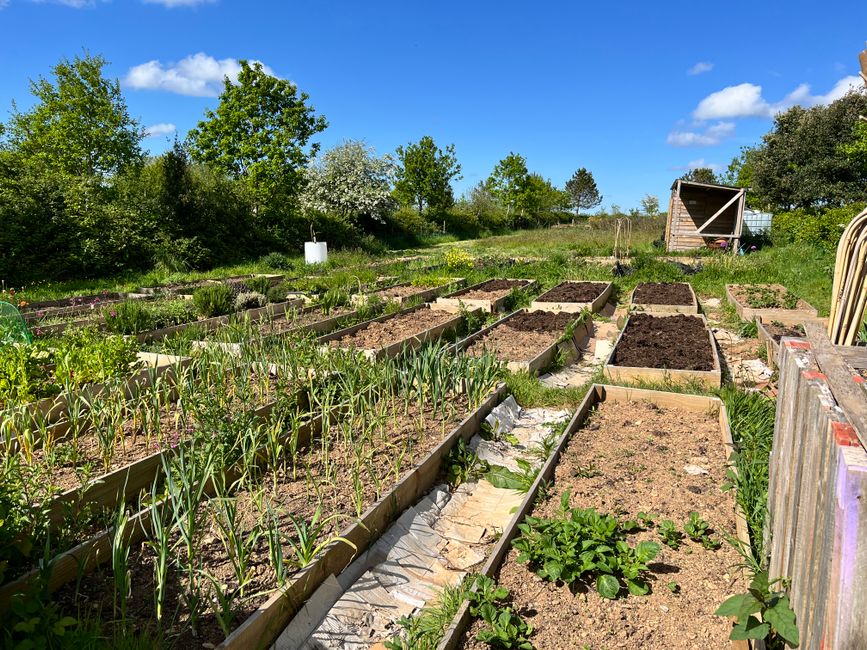
- raised beds with limited growing area
- shady edges from fences, sheds, or trees
- a busy schedule and only short bursts of time to garden
- a wish to grow a wide range of crops without the plot becoming chaotic
It also makes sense if you are relatively new to allotment gardening. Small plots can be less intimidating, provided you do not overload them. A neat six-bed plan can be more manageable than a bigger, loosely organised patch, especially during busy weeks when the grass is wet and everything seems to need doing at once.
If you are already experienced, these tips still matter. Experienced growers often become more ambitious with succession sowing, intercropping, and bed rotation. That is where the yield gains really start to stack up.
There are also moments when this approach is the right response to local conditions. In London, plots may face shade from neighbouring structures, pressure from dry spells, or compacted soil from heavy use. None of that is unusual. It just means the plan should be practical rather than idealised.
Step-by-Step Guidance
1. Map your light and access first
Before you sow anything, watch the plot for a few days if you can. Where does the sun sit in the morning? Which beds dry out fastest after rain? Which corners are awkward to reach? These details shape your yield more than people expect.
Put your most productive crops where they get the best light and easiest access. If you have to squeeze between crops to harvest them, you will eventually stop harvesting them properly. And then they get stringy or overripe. Been there, regretted that.
2. Divide the plot by crop purpose
Instead of thinking in terms of random rows, divide the space into functional zones:
- Main production beds: potatoes, brassicas, beans, courgettes, or roots depending on the season
- Quick-turnover beds: lettuce, radishes, spring onions, spinach, Asian leaves
- Perennial or semi-perennial areas: herbs, strawberries, rhubarb, asparagus if you grow it
- Support space: compost, water storage, tool access, and a small hard-wearing path system
This simple zoning keeps the plot from becoming a muddle. It also helps you rotate crops properly, which matters more than most people realise.
3. Prioritise the highest-value crops
On a small plot, not every crop deserves the same amount of space. For example, a large patch of a crop you can buy cheaply may not be the best use of your beds. Meanwhile, expensive, fresh, quick-use crops such as salad leaves, herbs, and French beans often give much better practical value.
You should grow what your household actually eats. That sounds obvious, but it is easy to forget when seed catalogues start whispering in your ear. If you never eat kohlrabi, do not let it bully its way into the plan.
4. Sow in succession
Succession sowing means planting small amounts every couple of weeks rather than all at once. It works beautifully for lettuce, beetroot, radish, coriander, dill, spring onions, and many salad crops. The result is a steadier harvest and fewer gluts.
It also protects you from failure. If one sowing struggles because the weather turns hot or wet, the next one may do fine. That kind of resilience is gold on a small allotment.
5. Interplant smartly
While one crop is growing slowly, another can fill the gap. Radishes between carrots. Lettuce around young brassicas. Spinach before courgettes spread. Just be careful not to overdo it. The aim is temporary use, not overcrowding.
A useful rule: if a fast crop will be harvested before the slower crop really expands, it is worth considering. If both crops will be fighting for the same light and nutrients, step back.
6. Feed the soil, not just the plants
High yield starts below the surface. Compost, well-rotted manure where appropriate, leaf mould, and mulch all help maintain soil structure and moisture. In a small plot, healthy soil often does more for yield than any gadget or fertiliser ever will.
Keep feeding light but consistent. A little and often approach is safer than throwing everything at the bed in one go. Plants respond better to steadiness.
7. Harvest hard and often
This is one of the easiest yield boosters. Pick courgettes before they become marrows. Cut salad leaves regularly. Snip herbs before they flower. Harvest beans every couple of days in peak season.
It sounds fussy, but frequent picking keeps many crops productive. The plant senses ongoing harvest and keeps pushing out new growth. You are basically training it, in a polite way.
Expert Tips for Better Results
These are the little things that often separate a merely tidy plot from a genuinely productive one.
- Use taller crops at the back and shorter ones in front. Simple, but it protects light and access.
- Grow cut-and-come-again leaves. They give repeated harvests without needing a new sowing every time.
- Choose compact varieties. Bush beans, patio tomatoes, and smaller courgettes can be more practical than sprawling types.
- Mulch after rain or watering. It helps hold moisture in the soil and reduces stress during dry spells.
- Keep paths narrow but workable. You want access without wasting too much growing area.
- Watch for shading throughout the season. A bed that is sunny in April may be much darker once beans and corn reach full height.
Another tip, and this one saves people a lot of frustration: do not grow every crop at the same speed. Mix quick crops, medium crops, and a few long-term plants so the plot never looks empty and never all peaks on the same week. Otherwise you end up with ten lettuces and nothing else. A classic allotment moment.
If slugs or pigeons are a regular nuisance, choose your most vulnerable crops carefully and protect them early. Losing the first planting can slow the whole season down, especially when space is limited. Better to overthink protection for a week than lose a month of growth.
And yes, record what works. Even a messy notebook helps. You will forget which bed held carrots, which compost mix gave the best tomatoes, and which sowing date actually paid off. Garden memory is selective like that.
Common Mistakes to Avoid
Small plots fail for predictable reasons. The good news is that most of them are fixable.
Growing too much of one crop
When a crop succeeds, it is tempting to double down. Then everything ripens at once and you are giving away courgettes like party favours. Variety matters, especially in a limited space.
Ignoring path and access planning
If you cannot reach the middle of a bed comfortably, that bed will not perform as well. You will weed it less, harvest it less, and probably leave some crops behind. Access is not a luxury. It is yield infrastructure.
Letting beds sit empty
After one crop finishes, get something else in if the season allows. Even a quick green manure or a short salad run can keep momentum going. Bare beds are an invitation for weeds and missed opportunities.
Overfeeding or underfeeding
A small plot does not need constant chemical-looking interventions. Too much feeding can produce lush leaves with disappointing roots or poor fruiting. Too little, and the plants stall. Steady, sensible feeding usually wins.
Not thinning seedlings
It feels harsh to pull out young plants, but overcrowding reduces yield. The survivors often do much better once they have breathing room. A little ruthless, yes, but effective.
Skipping rotation
Putting the same family of crops in the same place year after year encourages disease and soil exhaustion. Rotate as best you can, even on a small site. It does not have to be perfect to help a lot.
Tools, Resources and Recommendations
You do not need a shed full of gear to get good results. A few well-chosen tools and habits go a long way.
- Hand fork and trowel: essential for close planting and quick weeding.
- Watering can or hose access: consistency matters more than fancy irrigation.
- Sharp secateurs: useful for harvesting herbs, trimming vines, and general tidy-up work.
- Canes, string, or netting: valuable for supporting climbing crops and keeping beds organised.
- Compost bin or compost supply: improves soil structure and reduces waste.
- Notebook or simple phone notes: one of the most underrated tools on an allotment.
If you need heavier site support, services such as garden maintenance or garden clearance can help restore order when a plot has become overgrown or awkward to manage. That is especially useful before a new growing season, or after a spell away from the plot.
For plots that need a broader rethink, landscape gardening and landscaping can improve layout, access, and long-term usability. Even a modest redesign can make a big difference to how easy the plot feels to work on.
If your growing area includes hedges, awkward borders, or boundary growth that keeps stealing light, hedge trimming may be more relevant than you first think. A plot that gets proper light is simply easier to make productive.
And if trees are casting too much shade or creating debris issues, tree lopping and removal may be part of the practical solution, subject to any permissions or site rules that apply. Not glamorous, but sometimes necessary.
You can also read more broadly on the site through the blog and the main services overview if you want to compare support options before deciding what to tackle yourself.
Law, Compliance, Standards, or Best Practice
Allotment gardening is usually guided more by site rules, neighbourly common sense, and safe working habits than by heavy regulation, but best practice still matters. In the UK, you should always be mindful of local allotment agreements, access arrangements, shared-path etiquette, and any rules about structures, composting, water use, or waste disposal on your site.
If you use tools, machinery, or ladders, handle them safely and store them securely. Keep paths reasonably clear so you do not create trip hazards for yourself or others. If you are moving soil, timber, or heavy materials, do it in manageable loads. No heroics. Your back will thank you later.
For contractors or anyone arranging plot work, it is sensible to ask about insurance, safety practices, and clear payment terms before work begins. If you are comparing outside help, pages such as insurance and safety, health and safety policy, and payment and security can help set expectations. That is just good housekeeping, really.
Environmental best practice also matters. Compost where you can, reduce unnecessary waste, and think carefully before removing established habitat. If you need to clear materials, look at the practical side of recycling and sustainability. On small plots, the tidy way is often the sustainable way too.
Options, Methods, or Comparison Table
Different small-plot methods suit different gardeners. Here is a simple comparison to help you choose where to focus first.
| Method | Best for | Strength | Trade-off |
|---|---|---|---|
| Succession sowing | Salads, roots, herbs | Steady harvests over a long season | Needs regular attention and note-taking |
| Vertical growing | Beans, peas, tomatoes, cucumbers | Saves ground space and improves airflow | Needs supports and a bit of planning |
| Intercropping | Mixed beds with good light | Uses space efficiently between slower crops | Can become crowded if rushed |
| Raised beds | Compact or awkward sites | Better soil control and access | May require more setup and materials |
| Cut-and-come-again planting | Busy gardeners and salads | Multiple harvests from one sowing | Needs frequent picking to stay productive |
If you are unsure where to begin, succession sowing plus one vertical crop is often the best first combination. It gives you quick wins without making the whole plot complicated. Keep it simple at the start. Then build.
Case Study or Real-World Example
A realistic small-plot example helps here. Imagine a plot with four main beds, a central path, and one shady edge caused by a fence and a mature shrub. At first glance, it feels a bit fiddly. Not hopeless. Just fiddly.
The gardener in this example starts by assigning the sunniest beds to tomatoes, French beans, and courgettes. The shadier bed is used for salad leaves, herbs, and a few beetroot sowings, because those crops cope better with less intense light. Between the bean rows, they sow quick lettuce at the start of the season and remove it before the beans take off. Nice and tidy.
Instead of filling every bed all at once, they sow in stages every couple of weeks. That means there is always something ready to pick, and there is no huge glut in midsummer. They mulch after watering, keep weeds down early, and harvest beans young rather than waiting for them to become oversized. A very ordinary set of actions, but the results are better than you might expect.
By late summer, the plot looks busy but controlled. There are gaps where one crop has finished and another is stepping in. The soil is covered, the paths are walkable, and the gardener is not spending every visit undoing last visit's chaos. That is the real win.
Funny how the garden rewards boring consistency, isn't it? Not dramatic. Just steady.
Practical Checklist
Use this before each growing season, and then again halfway through.
- Check where the sun falls at different times of day
- Assign the best positions to high-value or sun-loving crops
- Plan at least one succession sowing sequence
- Include at least one vertical crop if space allows
- Prepare compost or organic matter before planting
- Keep paths and access points workable
- Thin seedlings early rather than leaving them crowded
- Harvest often, especially beans, courgettes, salad leaves, and herbs
- Rotate crop families where possible
- Fill any empty bed space with a follow-on crop or green manure
- Note what performed well and what did not
- Review whether shade, hedge growth, or access is limiting yield
Quick reminder: if the plot feels busy but productive, you are probably getting close to the right balance. If it feels busy but ineffective, something needs editing.
Conclusion
Getting more from a small allotment is less about squeezing harder and more about growing smarter. That is the heart of Anerley Park allotment gardener tips for small plot yields: choose carefully, sow in stages, keep the soil active, and make every bed earn its place. Once you start thinking in terms of yield per square metre, the plot changes shape in your mind. It becomes clearer. More deliberate. A bit calmer, too.
The good news is that you do not need a perfect setup to improve results. A few better choices, repeated consistently, will usually beat a grand overhaul that never quite happens. Start with one bed. One season. One useful change. Then build from there.
If your allotment needs a more practical layout, help with overgrowth, or support getting the space back into shape, taking the next step can be simpler than it feels right now. A productive plot is often just a few good decisions away.
Get a free quote today and see how much you can save.
And if you keep at it, the harvest has a funny way of meeting you halfway.
Frequently Asked Questions
What are the best crops for a small allotment in Anerley Park?
Compact, high-yield crops usually give the best return: salad leaves, spring onions, radishes, beetroot, dwarf beans, tomatoes, herbs, and cut-and-come-again greens. Crops you actually eat matter more than novelty varieties.
How can I increase yields without expanding the plot?
Focus on succession sowing, vertical supports, proper spacing, regular harvesting, and soil improvement. Those five changes usually do more than trying to squeeze in extra plants.
Is raised bed gardening better for small allotments?
Often yes, because raised beds can improve access, drainage, and organisation. They are not essential, though. A well-planned ground-level plot can be equally productive if the soil is good and access is sensible.
How often should I water a small allotment?
There is no fixed schedule. Water deeply when the soil starts to dry rather than giving tiny amounts every day. In warmer spells, containers and newly planted crops may need more frequent attention.
What is succession sowing and why does it help?
Succession sowing means planting the same crop in stages over time. It spreads your harvest out, reduces waste, and helps avoid the common problem of everything ripening all at once.
Do I need crop rotation on a tiny plot?
Yes, as far as practical. Even on a small site, rotating crop families helps reduce disease pressure and soil depletion. It does not have to be textbook-perfect to be beneficial.
How do I deal with shade on a small allotment?
Use the shadier areas for leaves, herbs, beetroot, and some roots, while saving the sunniest beds for fruiting crops. If shade is caused by hedges or trees, reducing that obstruction may improve yields more than adding fertiliser.
What are the most common beginner mistakes on small plots?
Overcrowding, planting too much of one crop, ignoring soil improvement, and leaving beds empty after harvest. Those four come up again and again, and they are all fixable.
Can I get good yields with only weekend visits?
Yes, if you plan for it. Choose lower-maintenance crops, mulch well, use clear bed zoning, and prioritise harvests that can wait a few days. The plot should suit your time, not the other way around.
When should I clear an overgrown allotment before starting?
Ideally before the main growing season begins, but any time is better than waiting indefinitely. A cleared and manageable start gives you a much better chance of establishing productive beds quickly.
Do I need professional help for layout or clearance work?
Not always, but it can help if the site is badly overgrown, poorly arranged, or difficult to access safely. If you want to compare options, the site's garden maintenance, garden clearance, and landscaping pages are sensible places to start.
How do I know if my small plot is actually performing well?
Look at harvest frequency, crop health, weed pressure, and how easy the plot feels to work on. If you are picking regularly, can reach beds comfortably, and are not constantly fighting the same problems, you are on the right track.